Neurobiology and Changing Ecosystems
Discovering Mechanisms of Neural Resilience to Environmental Change
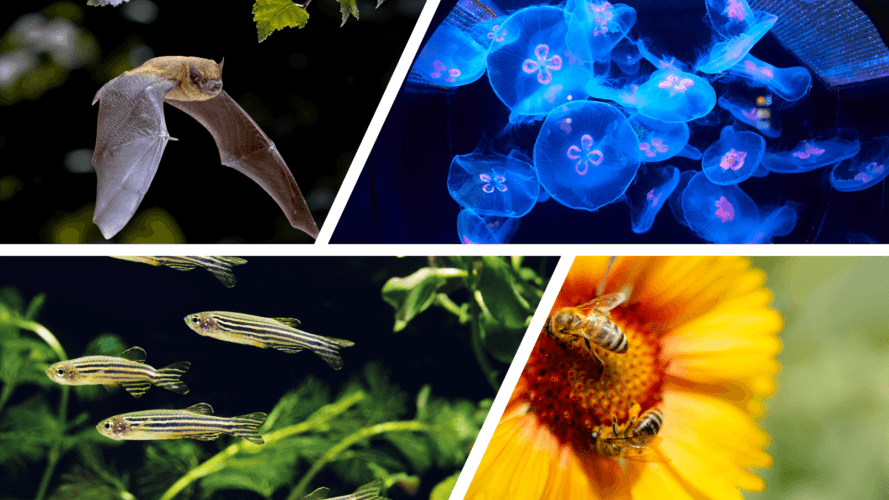
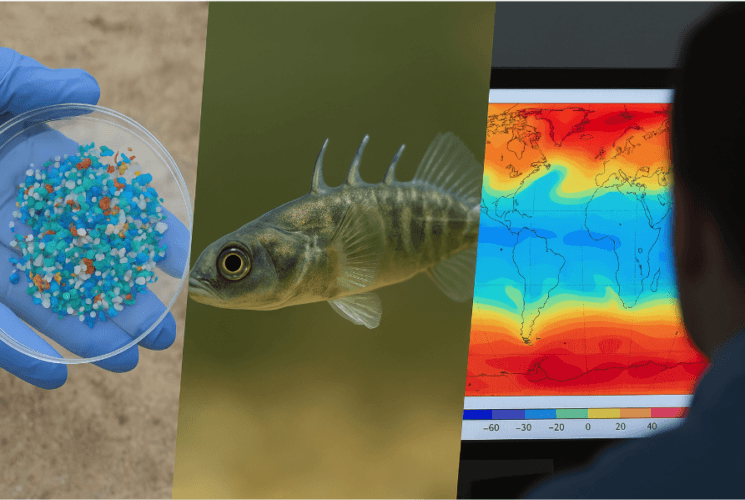
The Neurobiology and Changing Ecosystems Initiative explores how nervous systems respond to and recover from rapid environmental change. Across hundreds of millions of years, neural systems have evolved to enable organisms to sense and respond to shifting conditions. Today, human-driven changes — such as climate instability, artificial light, and chemical pollution — pose new challenges, pushing the adaptive capacity of humans and animals and revealing mechanisms that allow the nervous system to cope with extreme change.
This initiative seeks to engage researchers across disciplines and scales; to address questions about the molecular and cellular mechanisms that enable neurons to detect and respond to environmental stressors; and untangle circuit and systems processes that shape perception, behavior, and decision-making in dynamic ecosystems. By connecting these levels of understanding, insights into how nervous systems adapt — or fail to adapt — to a rapidly changing world will advance our understanding of both fundamental neuroscience and resilience.
News:
Explore the latest news, events, and discoveries from our Neurobiology and Changing Ecosystems program.
See all newsNeuroscience
As ocean temperatures rise, a crab’s neural circuit reveals how life at the edge endures or fails.
Mar 25, 2026
An initiative to explore how nervous systems function and evolve in dynamic natural environments
Sep 03, 2025
The Kavli Foundation supports inaugural Scialog®: Neurobiology and Changing Ecosystems Awards
Jun 11, 2025
Neuroscience
The Kavli Foundation and Society for Neuroscience partner on Neurobiology and Changing Ecosystems training series
Dec 16, 2024
First awardees announced
Oct 02, 2024
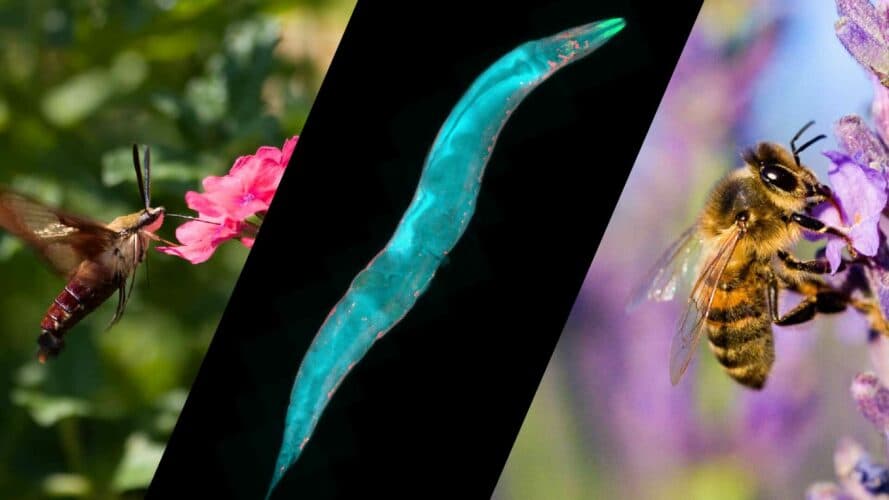
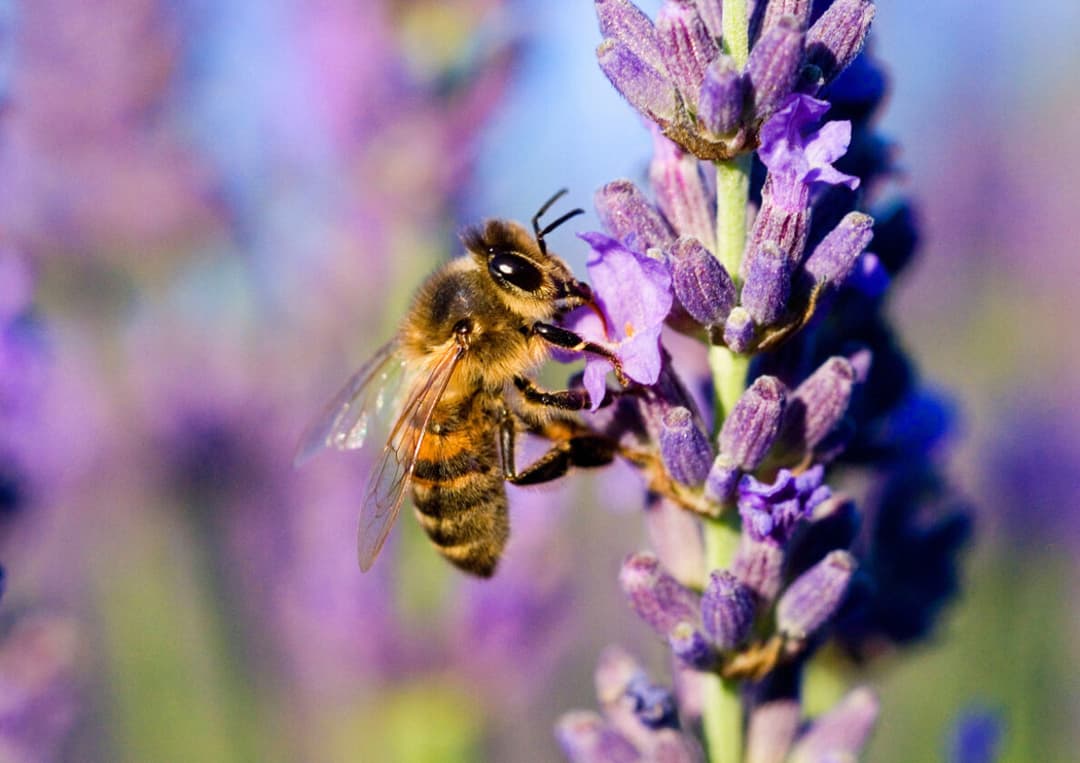
Scientists are beginning to unravel the impact of anthropogenic change on the neural systems of species as diverse as fish, honeybees, and ground squirrels.
Jun 04, 2024
Neuroscience
Jan 24, 2024
Neuroscience Science Spotlights
Neurobiology and Changing Ecosystems Kavli Exploration Awards
Nov 11, 2023
Neuroscience
The Kavli Foundation launches a new initiative to explore how neural systems adapt to changing environments
Aug 28, 2023