KAVLI SUPPORTED SCIENCE

Astrophysics

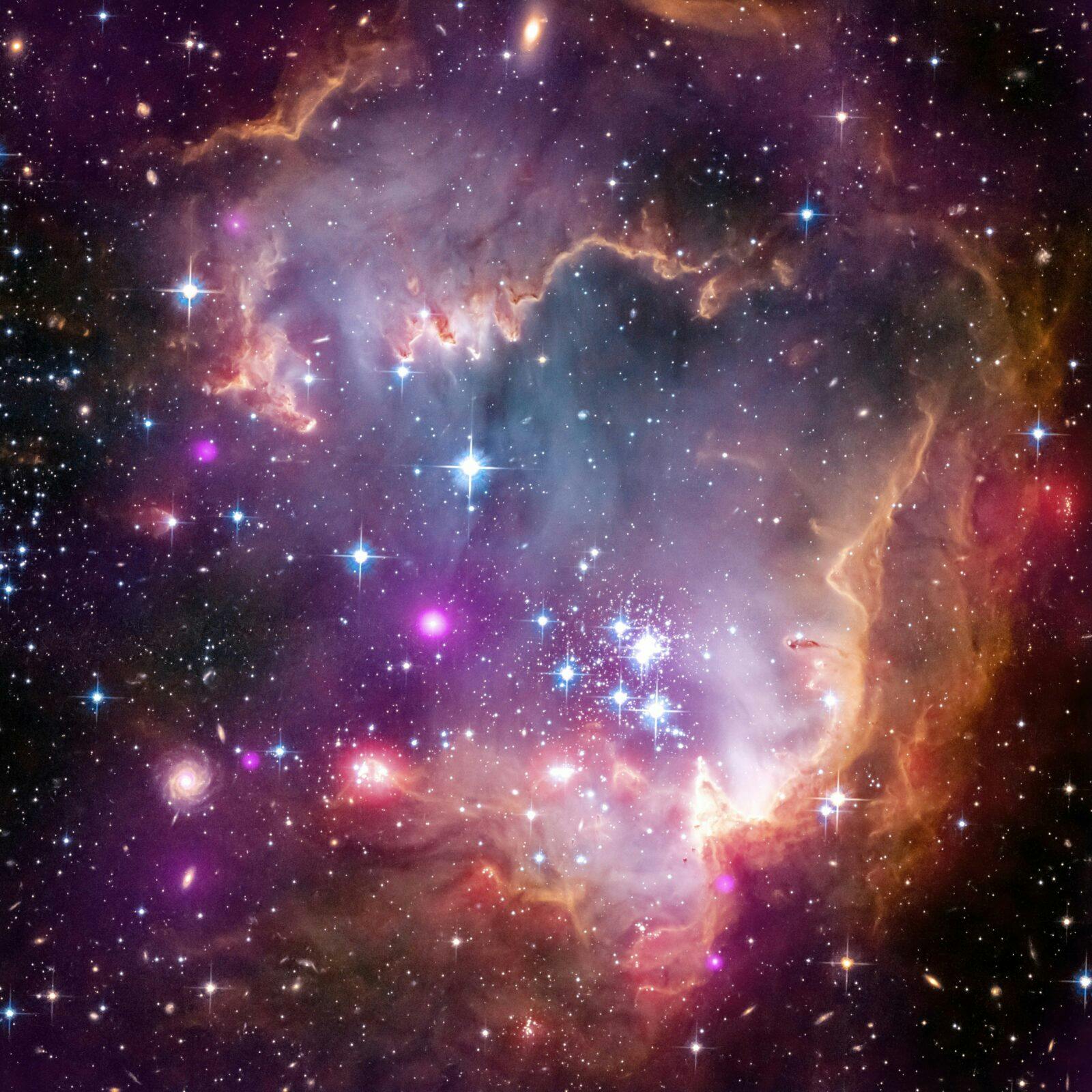
Frontiers in Astrophysics
How did the universe begin? When – or for that matter will – it end? Questions about our very existence is often at the heart of astrophysics. Video presentations narrated by Alan Alda, a conversation with University of Cambridge professor Martin Rees, observational and theoretical panel discussions with Kavli Institute directors and more.

Nanoscience

Frontiers in Nanoscience
In the 21st century, scientists will explore the frontier of the infinitesimally small, using molecules as building blocks for creating vital new technologies. Video presentation by Alan Alda, a conversation with Harvard University's George Whitesides, a panel discussion with Kavli Institute nanoscience directors and more.

Neuroscience

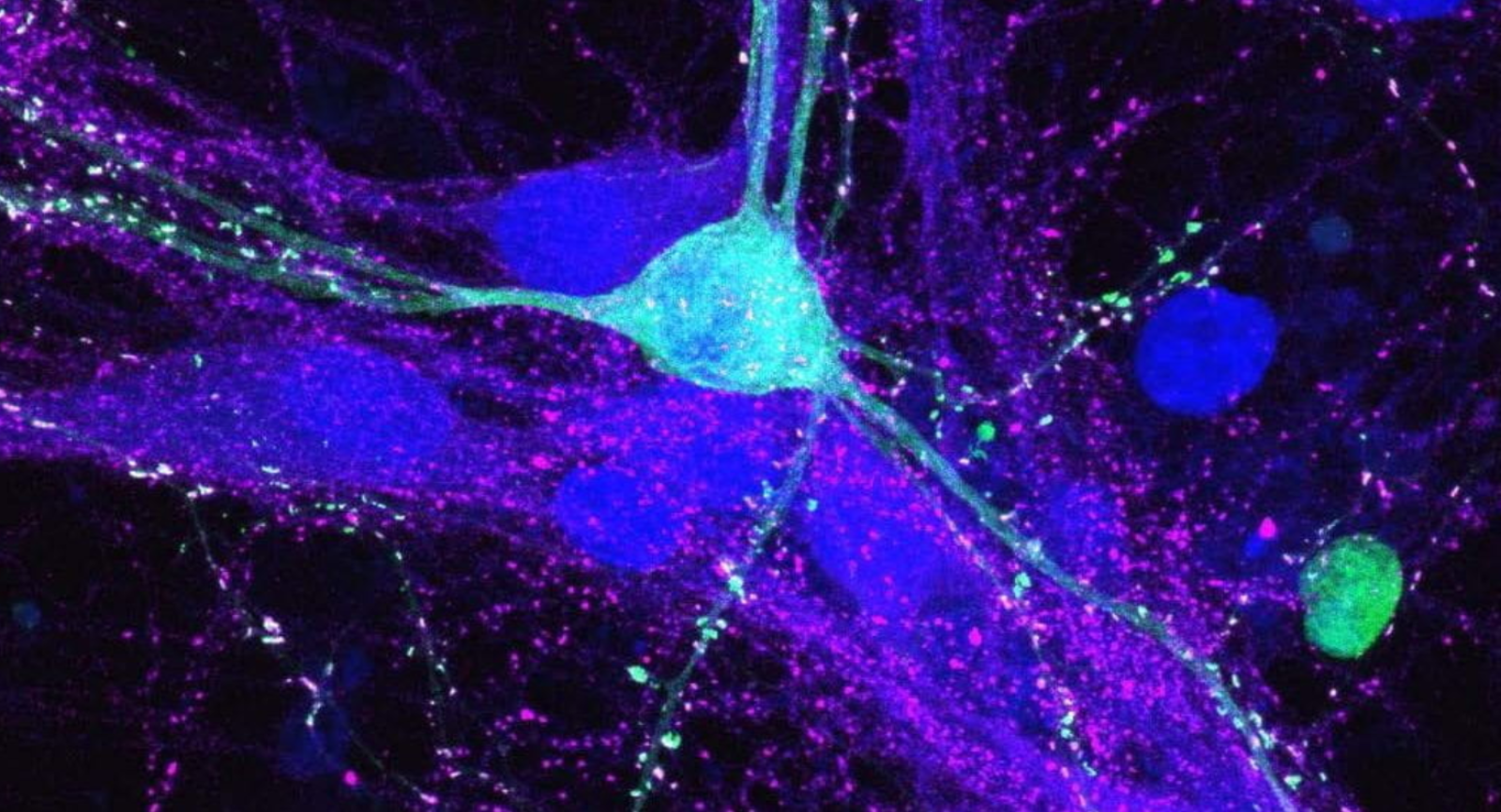
Frontiers in Neuroscience
Scientists hope not only to uncover the secrets behind our most devastating neurological diseases, but how the brain makes us who we are. Video presentation narrated by Alan Alda, a conversation with Nobel laureate Eric Kandel, a panel discussion with Kavli Institute neuroscience directors and more.

 
more...
more...

KAVLI NEWS & EVENTS


President Bush Honors U.S. Recipients of 2008 Kavli Prize
President George W. Bush and his Science Advisor, Dr. John Marburger honored the first U.S. recipients of the Kavli Prize in an Oval Office reception at the White House this afternoon.

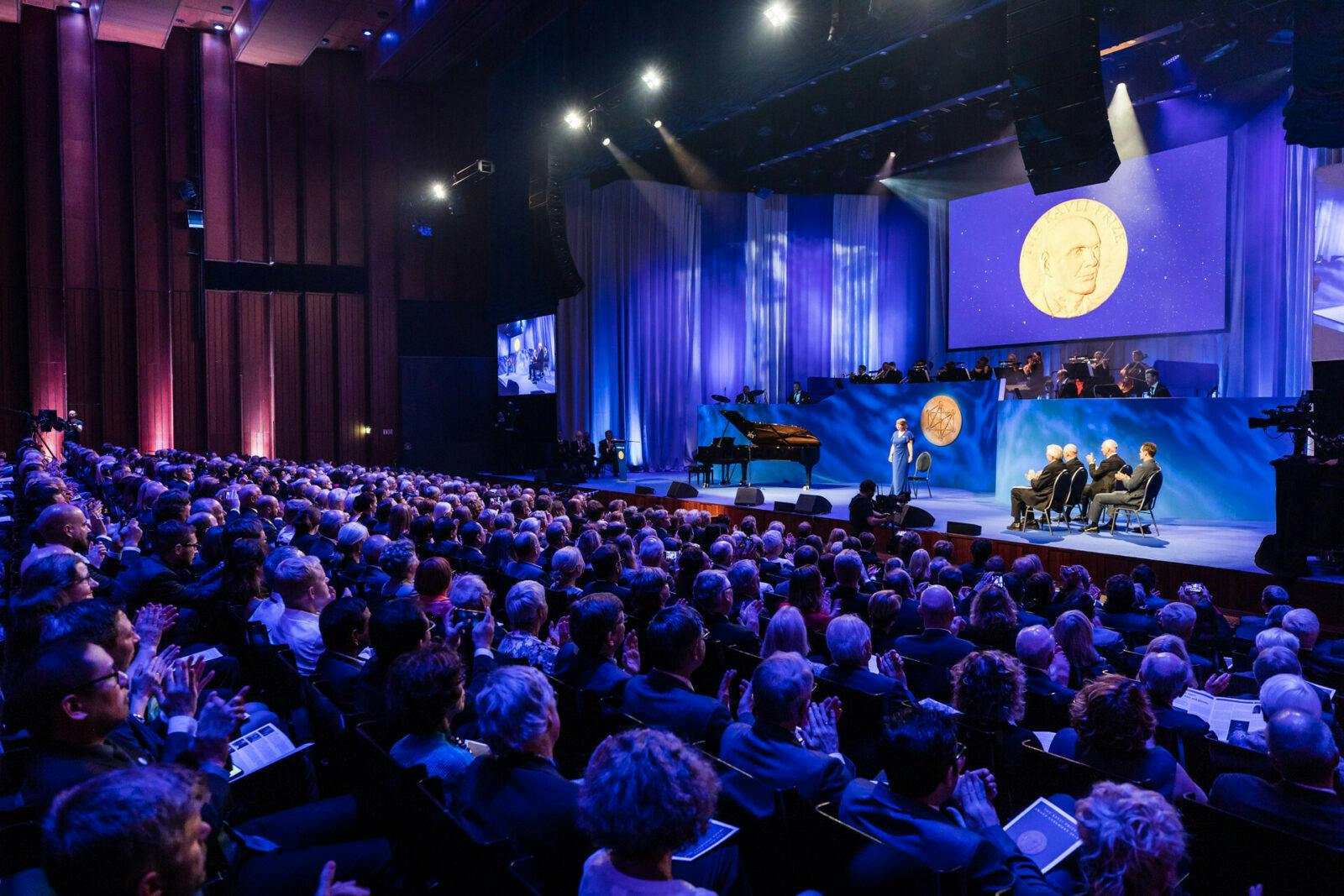
Inaugural Kavli Laureates Honored in Oslo Ceremony
On September 9, in a ceremony at the Oslo Concert Hall in Norway, seven pioneering researchers in the fields of astrophysics, nanoscience and neuroscience were honored as the first Kavli Prize laureates.

University of Chicago: Study of Galaxy Clusters Detects Growth-Stifling Dark Energy
A study of galaxy clusters independently confirms that the universe is expanding at an accelerating pace.

MIT: Dimmest Star-Like Objects Discovered
The two faintest star-like objects ever found, a pair of twin "brown dwarfs" each just a millionth as bright as the sun, have been spotted by a team led by Adam Burgasser of MIT's Kavli Institute for Astrophysics and Space Research.

Stanford University: Lights, Camera, Render- Visualizing the Universe
At Stanford, a three-dimensional movie of galactic birth is just one of the stunning visuals now being created at the Schwob Computing and Information Center, a KIPAC resource.

UCSD: Light Triggers a New Code for Brain Cells
Brain cells can adopt a new chemical code in response to cues from the outside world, scientists working with tadpoles at the University of California, San Diego have reported in the journal Nature.